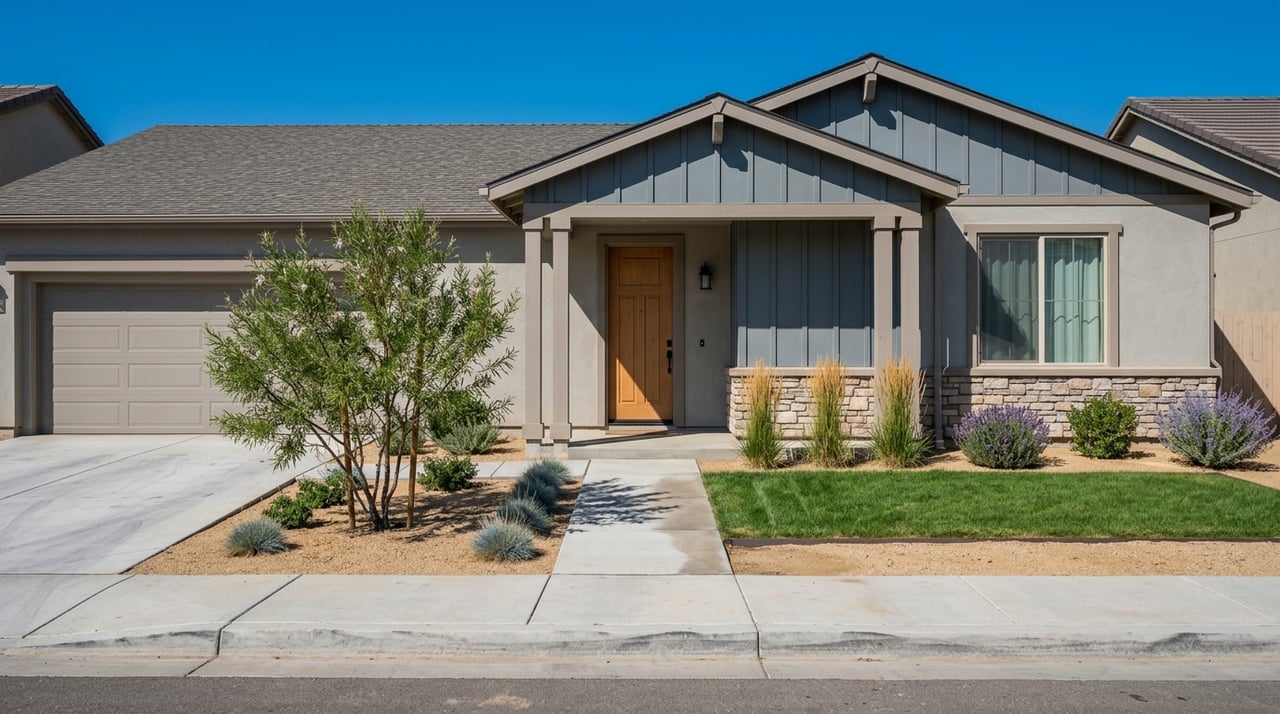
If you price your Reno home too high, you may help the next seller down the street more than you help yourself. That is a frustrating place to be, especially when you want a strong sale and a smooth timeline. The good news is that Reno market data gives you a practical way to price with confidence, protect buyer interest, and avoid costly guesswork. Let’s dive in.
Why pricing matters so much in Reno
Reno is still competitive, but it is not the kind of market where every listing can name any price and expect multiple offers. Recent Redfin data shows a median sale price of $576,359, about 44 days on market, a 99.1% sale-to-list ratio, and 22.6% of homes taking a price cut in the three months ending May 2026. That tells you buyers are active, but they are also paying attention.
The City of Reno’s March 2026 economic update points in the same direction. The memo describes housing as stable but competitive, with limited supply keeping the Reno market in seller’s-market territory. At the same time, the report shows 2.0 months of supply, a 72-day median time to contract, and an average 30-year fixed mortgage rate of 5.98%, which suggests many buyers are sensitive to monthly payment.
For you as a seller, that creates a clear takeaway. Pricing is not just about aiming high. It is about matching your home to the buyer pool that can act in today’s Reno market.
What Reno numbers mean for your list price
A strong pricing strategy starts with the reality that most homes are not “hot homes.” Redfin reports that average homes in Reno tend to sell about 1% below list and go pending in around 41 days, while hot homes can sell around list price and go pending in about 19 days. That gap matters because it shows how quickly buyer response can change based on condition, competition, and price.
In practical terms, your list price should reflect where your home fits in the market right now. Size, location, condition, features, and nearby competition all shape what buyers are likely to do. If your home is well-prepared and highly competitive for its segment, you may have more pricing strength, but if buyers have several similar options, the market usually rewards precision over optimism.
Overpricing can slow your momentum early, which is often when a listing gets the most attention. Research cited in the report notes that homes priced more than 3% over the correct price tend to take longer to sell. In a market where many buyers are rate-sensitive, that extra stretch can shrink your audience fast.
Why neighborhood-level pricing matters
Reno is not one market. It is a group of micro-markets, and your pricing strategy should reflect that.
Redfin’s neighborhood data shows meaningful differences across Reno. In McQueen, the March 2026 median sale price was $629,000, homes took about 73 days to sell, and the average home closed around 2% below list. In Downtown Reno, homes took about 132 days and also averaged around 2% below list, while Caughlin Ranch averaged about 48 days to pending and about 1% below list.
Those differences are a big reason citywide averages can only take you so far. A pricing strategy that makes sense in one part of Reno may miss the mark in another. If you want a realistic list price, you need recent solds, current actives, and pending listings from your specific area, not just a broad median for the whole city.
Property type changes the pricing model
Your home’s property type matters almost as much as its location. Washoe County data from Sierra Nevada REALTORS® shows a median single-family home price of $585,000 compared with $390,000 for condominiums and townhomes in April 2025. That is a major gap, and it highlights why pricing one property type like another can lead to problems.
Single-family homes, condos, and townhomes often attract different buyers with different budgets and expectations. Inventory and competition can also vary by segment. If you are selling a condo or townhome, the pricing conversation should focus on the most relevant comparable properties in that category rather than leaning too heavily on single-family trends.
How mortgage rates affect buyer behavior
Even in a market with limited supply, buyers still do math. The City of Reno’s update reported an average 30-year fixed mortgage rate of 5.98% in February 2026, which matters because a higher rate changes what buyers can comfortably afford each month.
That does not automatically mean you need to discount your home. It does mean your asking price should be realistic for the current payment environment. When monthly costs rise, many buyers become more selective, and homes that feel overpriced often sit longer or require price cuts later.
This is one reason a data-informed seller often looks beyond the biggest number and focuses on the strongest strategy. The goal is not to win the list-price conversation. The goal is to create the conditions that lead to serious showings, solid offers, and a cleaner path to closing.
What a smart pricing strategy looks like
A smart pricing strategy usually starts with a realistic range rather than a wish number. From there, the final list price should be based on how your home compares with:
- Recent sold homes
- Current active competition
- Pending listings that show current buyer demand
- Your property’s condition and features
- Your preferred timeline to move
If your priority is speed, a more competitive price can help attract buyers sooner. If your home has standout features and limited direct competition, you may have room to position it more firmly. Either way, the price should be tied to evidence, not just expectation.
For many Reno sellers, the best results come from pricing at the lower end of a realistic range rather than stretching to the top. That approach can help broaden interest and reduce the risk of chasing the market later with price reductions.
Questions to ask before you hire a listing agent
When you interview agents, focus less on who gives you the highest number and more on who can explain the number best. In Reno’s current market, clarity and discipline matter.
A strong listing conversation should cover:
- Which sold, pending, and active comps support the recommendation
- How your home compares with those properties
- Where the proposed list price sits relative to current competition
- What buyer pool is most likely for your home and neighborhood
- What specific trigger would lead to a price adjustment if activity is slow
These questions help you separate strategy from salesmanship. The right advisor should be able to show you the data, explain what it means, and connect it to your goals.
Why buyer mix also matters in Reno
Reno sellers are often competing for attention from both local and relocation-minded buyers. Redfin search data shows 63% of recent Reno homebuyer searches were from people staying within the metro, while 37% were for moves out of Reno. The same data also showed inbound search interest from places like San Francisco, Los Angeles, and Houston.
That mix can shape pricing strategy. Local buyers may know the neighborhood and recent sales very well, while relocation buyers may compare your home to options in several markets at once. A well-priced listing can appeal to both groups, but an aggressive price may narrow your audience faster than you expect.
The real goal: price for leverage
The best pricing strategy is not about squeezing every possible dollar from the list price on day one. It is about creating leverage.
When your home enters the market at a price supported by neighborhood comps, current competition, and buyer demand, you improve your chances of attracting strong early interest. That can lead to better showings, better feedback, and in many cases better offers. In a market like Reno, where supply is limited but buyers remain payment-sensitive, that balance matters.
If you are preparing to sell, a data-driven pricing plan can help you move with less stress and more confidence. With local market knowledge, careful comp analysis, and a clear strategy for your timeline, you can price your Reno home to compete effectively from the start.
If you want a pricing strategy built around Reno data, neighborhood context, and your goals, connect with The Givens Group.
FAQs
How should Reno home sellers choose a list price?
- Reno home sellers should base a list price on recent sold homes, current active listings, pending competition, property condition, and the timeline they want to follow.
Is Reno still a seller’s market for home sellers?
- Yes. The City of Reno’s March 2026 update said limited supply kept the market in seller’s-market territory, though buyers remain price and payment sensitive.
Do Reno neighborhoods need different pricing strategies?
- Yes. Neighborhood data shows different prices, days on market, and sale-to-list patterns across areas like McQueen, Downtown Reno, and Caughlin Ranch.
Should Reno condo sellers use the same pricing strategy as single-family sellers?
- No. Washoe County data shows different median prices for single-family homes versus condos and townhomes, so pricing should be based on the right property segment.
What should Reno sellers ask a listing agent about pricing?
- Reno sellers should ask to see the sold, pending, and active comps behind the suggested price, how the home compares with current competition, and when a price adjustment would be recommended.
Why do price cuts happen in the Reno housing market?
- Price cuts often happen when a home starts above what buyers see as competitive for its location, condition, and segment, especially in a market where mortgage rates affect affordability.