Looking for a mountain‑adjacent escape without resort crowds or long winter commutes? If you love Tahoe days, open skies, and a relaxed small‑town feel, a second home in Minden could be a great fit. You want a clear plan that covers access, property types, costs, and rules before you buy. In this guide, you’ll learn what to expect in the Carson Valley, how financing and taxes work for second homes, and the key steps to purchase with confidence. Let’s dive in.
Why Minden works for second homes
Easy access to Tahoe and Reno
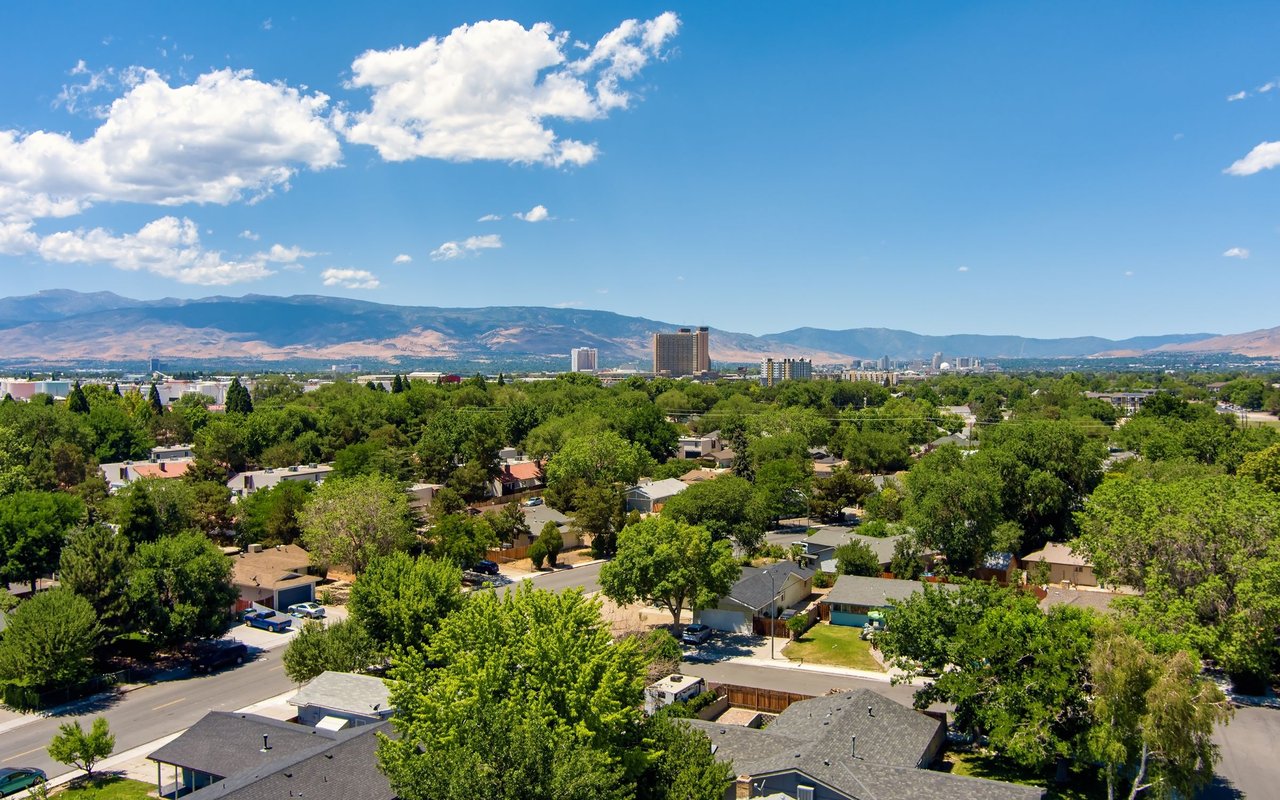
Minden sits on the Carson Valley floor at the eastern base of the Sierra Nevada, so you get quick drives to major destinations. Typical published drive times are about 25 to 30 minutes to the South Lake Tahoe/Stateline area, 20 to 25 minutes to Carson City, and 45 to 55 minutes to Reno and Reno–Tahoe International Airport, according to county visitor guidance on Douglas County geography and climate. This location gives you lake days, ski runs, and airport access without living in deep‑snow zones.
Outdoor‑meets‑historic lifestyle
The Carson Valley blends ranch and agricultural character with a walkable historic downtown in Minden, local shops, and year‑round recreation. County visitor and tourism pages describe it as a combined historic and outdoor lifestyle market, which appeals to buyers seeking a retreat or part‑time home rather than a pure resort base. Explore the area’s feel on the Travel Nevada overview of Minden.
What you can buy in Minden and Carson Valley
Second‑home buyers typically focus on a few property types:
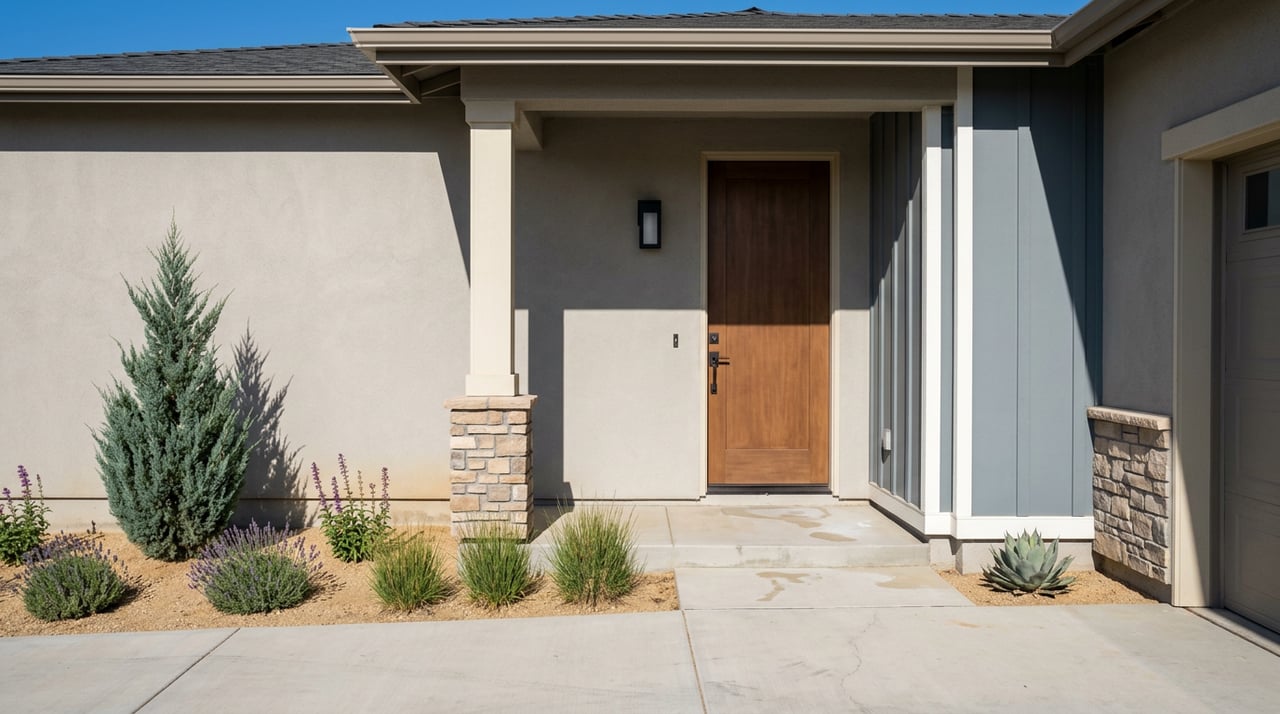
- Single‑family homes on the valley floor, including ranch‑style homes and newer subdivisions.
- Larger horse or hobby‑farm parcels and small ranches, reflecting the area’s equestrian roots.
- Historic‑core homes and low‑density neighborhood lots in and around Minden.
- Condos, townhomes, and Tahoe‑side homes a short drive away near Stateline or Zephyr Cove if you want lake access and downhill skiing.
- Vacant land or acreage if you plan to build a custom retreat or a horse facility.
Many Bay Area and Northern Nevada buyers prefer valley locations for easier year‑round access and lower winter maintenance compared to higher‑elevation cabins. Your ideal spot will depend on how often you plan to visit, your tolerance for snow, and whether you intend to rent the property part‑time.
Seasonal and ownership costs to plan for
Climate and access
Douglas County’s elevation ranges from roughly 4,600 feet on the valley floor to over 9,000 feet on nearby peaks, creating distinct microclimates. The Carson Valley is arid with warm summers and moderately cold winters, while Tahoe‑side areas see heavier snowfall. Plan for seasonal maintenance like winterization and occasional snow management, especially if your home sits closer to the foothills. For context, see the county’s geography and climate page.
Insurance and maintenance
For part‑time homes, budget for:
- Heating and utility management during off‑peak months.
- Snow removal and winterization if your home sits in a snow‑impacted pocket.
- Insurance that allows seasonal vacancy and, if applicable, short‑term rental use. In fire‑prone years, wildfire exposure can affect pricing or coverage terms. Get quotes early and ask about vacancy time limits and any recommended defensible‑space work.
If you plan to rent short‑term, Douglas County requires a Fire & Life Safety inspection as part of the vacation rental permitting process in eligible areas. That usually adds preparation tasks and periodic checks.
Thinking about renting it short‑term?
Douglas County operates a Vacation Home Rental (VHR) program with permit tiers, inspections, annual renewals, and strict caps in the Tahoe township. Neighborhoods have density limits, and some areas use waitlists when permits are full. Before you count on Airbnb or VRBO income, confirm whether your parcel falls inside the program area and whether permits are available. Review the county’s VHR permitting process and program details and budget for filing fees, required inspections, and compliance.
Key moves if you hope to rent:
- Verify that the address is in the VHR‑eligible Tahoe township and not solely on the valley floor.
- Check current caps, waitlists, occupancy limits, and annual inspection schedules.
- Factor in permit fees, local lodging taxes if applicable, and operating costs.
Rules are evolving, so confirm the latest requirements before you write an offer.
Financing a second home
Lenders treat a second home differently from a primary residence and from an investment property. Typical agency guidance expects that a second home is suitable for year‑round use, will be owner‑occupied for part of the year, and is not subject to a rental agreement that surrenders your occupancy control. You can review general eligibility concepts in the Fannie Mae Selling Guide.
What to expect:
- Down payment: many lenders ask for 10 to 20 percent or more depending on your profile and program.
- Credit and reserves: stronger credit and documented cash reserves to cover payments on both homes are common.
- Program fit: government‑backed options like FHA are generally limited to primary residences.
Start conversations with lenders early so you can compare second‑home products, rate scenarios, reserve requirements, and occupancy documentation. A preapproval that models dual‑property cash flow will help you move quickly on the right home.
Taxes: Nevada context and what to ask
Nevada has no state personal income tax
Nevada does not levy a personal state income tax, which some second‑home buyers consider if they plan a future change of residency. You can read the constitutional basis in the Nevada Constitution. Federal taxes still apply.
Mortgage interest and federal rules
Mortgage interest on a qualified second home is generally treated like interest on a primary home for deduction purposes, subject to federal limits and itemization rules. For details, review IRS Publication 936. If you plan to rent the property part‑time, keep careful records of personal‑use versus rental days because different IRS rules can apply.
Selling later and capital‑gains basics
The Section 121 primary‑residence exclusion can allow the exclusion of up to $250,000 of gain for single filers or $500,000 for married filing jointly on a qualifying primary residence that meets IRS tests. A second home does not automatically qualify unless it is converted to a primary residence and meets those tests. See the overview in Publication 523 and speak with a tax adviser for your situation.
How Douglas County property taxes work
Nevada uses a statutory valuation method to arrive at a taxable or assessed value, and local tax rates are expressed as dollars per $100 of assessed value. For FY 2025–2026, many Douglas County tax areas, including the Town of Minden tax area, show a combined levy near the regional cap. The Town of Minden tax area is listed at 3.6600 dollars per $100 of assessed value in the county’s certified rates. You can view the official schedule in the county’s Certified Tax Rates PDF and get a plain‑English explanation of Nevada’s assessment ratio and caps from this Nevada property tax overview.
Here is a simplified example to illustrate the math. If a property’s assessed value were $210,000 and the combined levy were $3.66 per $100 of assessed value, the annual tax would be about (210,000 divided by 100) times 3.66, which equals approximately $7,686. Because the assessor’s calculation uses statutory formulas and any eligible abatements, request a parcel‑specific estimate from the county assessor before you finalize your budget.
Step‑by‑step roadmap to buy with confidence
Define your use plan. Decide if you want a personal‑only retreat, a part‑time home with occasional short lets, or a property intended for more frequent rentals. Your plan affects lending, taxes, insurance, and local permits.
Set budget and get preapproved. Ask lenders to quote second‑home products, minimum down payment, reserves, and rate options. Request a preapproval that accounts for both your current home and the new property.
Choose locations and property types. Compare valley floor homes for easier access and lower winter maintenance with Tahoe‑adjacent areas for faster lake and ski days. Consider single‑family homes, small ranch properties, condos, or land if you plan to build.
Verify taxes and permits. Ask the Douglas County assessor’s office for parcel‑specific tax estimates and any eligible exemptions. If you plan short‑term renting, confirm if the address is in the VHR program area, whether permits are available, and what fees and inspections apply using the county’s VHR guide.
Get insurance quotes early. Request quotes that reflect seasonal vacancy, wildfire exposure, and, if relevant, short‑term rental operations. Confirm any defensible‑space or inspection expectations.
Evaluate seasonal logistics. Ask about snow management, driveway orientation, and service availability. Plan winterization for plumbing and HVAC if you will be away for long stretches.
Make a data‑backed offer. Market medians can vary by source and change quickly. Ask your agent for a fresh local MLS update on days on market, concessions, and price trends the week you write.
Complete due diligence. Schedule inspections, collect insurance and permit quotes, and confirm lender conditions tied to second‑home occupancy. If you plan to apply for a VHR permit after closing, map out the application timeline and Fire & Life Safety inspection requirements now.
Close and set up care. Line up local vendors for seasonal maintenance, snow removal if needed, and periodic check‑ins during vacant periods. Keep a simple calendar to track personal use versus rental days if you plan to rent occasionally.
Work with a local guide who knows Minden
Buying a second home should feel exciting, not overwhelming. With deep Northern Nevada roots and a financial‑advisor background, The Givens Group brings clear guidance on pricing, permits, taxes, and seasonal planning so you can own with confidence. From on‑site tours to remote video showings and disciplined contract management, you get high‑touch service backed by Dickson Realty’s reach. Ready to explore Minden and the Carson Valley? Connect with The Givens Group to start your search.
FAQs
What makes Minden a good second‑home alternative to South Lake Tahoe?
- You get quick access to the lake and ski areas with shorter winter maintenance typical of the valley floor, plus a historic small‑town setting and easy drives to Reno and Carson City.
Can I rent my Minden second home on Airbnb or VRBO?
- It depends on the property’s location. Douglas County’s VHR permits with caps and density limits apply in the Tahoe township. Confirm whether your address is in the eligible area and review the county VHR rules before relying on rental income.
How much down payment do I need for a second home in Minden?
- Many lenders expect 10 to 20 percent down or more, along with stronger credit and reserves. Exact requirements vary by lender and program, so get preapproved and compare options early.
Are property taxes high in the Town of Minden?
- For FY 2025–2026 the Town of Minden tax area shows a combined levy of 3.6600 dollars per $100 of assessed value. Your bill depends on the county’s assessed value and any abatements, so request a parcel‑specific estimate from the assessor.
What insurance should I consider for a part‑time Carson Valley home?
- Look for policies that allow seasonal vacancy, evaluate wildfire exposure, and add any endorsements needed for short‑term rental use. Ask about defensible‑space expectations and inspection requirements in advance.
When is the best season to shop for a Minden second home?
- You can shop year‑round. The Carson Valley has an arid climate with moderately cold winters, while Tahoe‑side areas see heavier snow. Winter visits can help you understand access and maintenance needs before you buy.