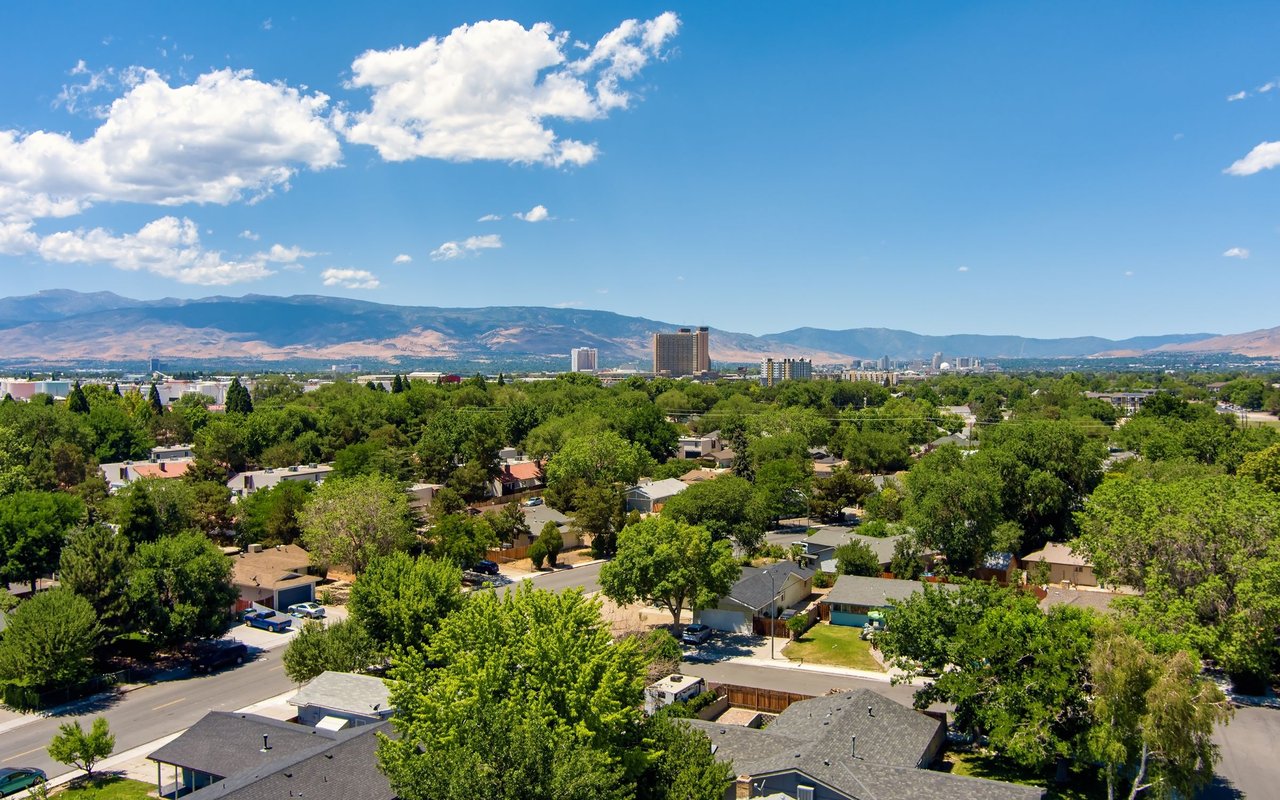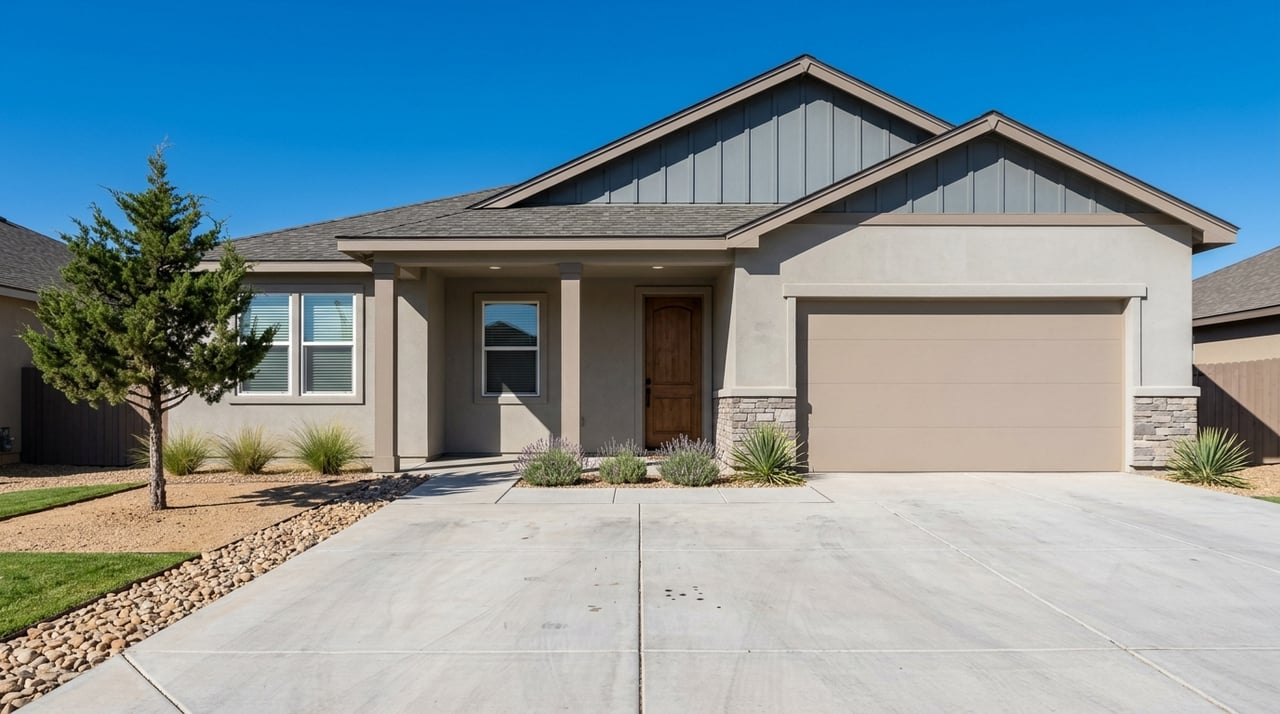
If you are buying your first home in Reno, you may already feel the push and pull of this market. Prices, competition, commute times, and neighborhood options can all move in different directions at once. The good news is that with the right plan, you can make smart decisions without feeling overwhelmed. This guide will walk you through what first-time buyers should know in Reno, from budgeting to closing. Let’s dive in.
Understand Reno’s Market Pace
Reno remains active, but it is not the kind of market where every home disappears overnight. Recent market snapshots show median prices ranging from about $547,448 to $600,000 depending on the source, with homes taking anywhere from 14 days to contract to about 60 days to sell. That tells you something important: you should be ready to act when the right home appears, but you do not need to assume every listing is a bidding war.
Inventory also varies by source, with reports showing roughly 1,178 to 1,719 active listings. For you as a first-time buyer, that means choice exists, but the best-fit homes in your price range may still move quickly. Preparation matters more than panic.
Set a Budget Beyond the Down Payment
One of the biggest first-time buyer mistakes is focusing only on the down payment. In some cases, down payments can be as low as 3%, and many buyers put down at least that amount. But your full budget should also account for closing costs, which often run about 2% to 5% of the home price.
Homeownership also comes with ongoing costs that renters do not always have to think about in the same way. You may need to budget for repairs, property taxes, homeowners insurance, utility setup, and HOA dues if the property has them. Moving costs, furniture, and small upgrades can add up faster than expected.
A helpful goal is to keep an emergency cushion of three to six months of expenses. That extra breathing room can make your first year of ownership feel much more stable. Reno buyers who plan for the full picture often feel more confident when it is time to make an offer.
Explore Nevada Buyer Assistance Programs
If saving for a home feels like the hardest part, Nevada offers programs worth a close look. The Nevada Housing Division’s Home Is Possible For First-Time Homebuyers program offers interest-free down payment assistance of up to 4% of the loan amount. That assistance can be used for both the down payment and closing costs, and it is forgivable after seven years if you stay in the home.
Nevada also offers the broader Home Is Possible program, which provides up to 5% of the loan value and does not require you to be a first-time buyer. These programs have eligibility requirements that may include income limits, purchase price limits, homebuyer education, and minimum credit score standards. The state also notes that the Mortgage Credit Certificate program may provide eligible first-time buyers and qualified veterans with a federal tax credit worth up to 30% of mortgage interest paid each year.
For Reno buyers, the City of Reno’s homeowner resources page points residents to Home Is Possible for more program information. If you think you may qualify, it helps to explore these options early so you know how they could affect your buying power.
Get Preapproved Early
Before you start touring seriously, get preapproved. In Reno, sellers often expect to see a preapproval letter with an offer. It shows that a lender has taken an initial look at your finances and gives you a more realistic price range.
It is important to remember that preapproval is a tentative commitment, not a guaranteed loan. These letters also usually expire in about 30 to 60 days, so timing matters. Once you have preapproval, compare official Loan Estimates from lenders instead of looking only at the interest rate, since fees and loan structure can change your total cost.
Choose a Reno Area That Fits Your Life
In Reno, location is often about tradeoffs. You may be weighing home price against commute, outdoor access, HOA rules, home age, or property condition. Since Reno sits in Truckee Meadows with access to Lake Tahoe and ski areas within about 50 miles, many buyers try to balance affordability with lifestyle goals.
That is why it helps to get specific about what daily life needs to look like for you. A shorter drive, a newer home, lower monthly costs, or a smaller maintenance load may matter more than the broad city name on a listing.
Reno price ranges vary widely
Neighborhood price points can differ a lot across Reno. Reported examples show areas such as Downtown Reno at about $373,000 and Stead at about $432,500, while Double Diamond is about $572,000 and Somersett and Caughlin Ranch are closer to the high $800,000s. Arrowcreek is reported above $2.4 million.
For a first-time buyer, this is a reminder to search by neighborhood and housing type, not just by city. A condo, townhome, or starter single-family home may open doors in one area, while a newer suburban property may push you into a different budget band. Clear priorities will help you narrow the search faster.
Confirm local details before you offer
If school zoning is part of your planning, Washoe County School District offers a Find My Zoned School tool so you can verify boundaries directly. If transportation matters, the City of Reno’s newcomer resources point residents to RTC Washoe public transportation. These local tools can help you confirm facts before you commit to a home.
This step matters because online listing details can change, and assumptions can create stress later. Verifying practical details early gives you a cleaner decision-making process.
Write a Smart Offer
When you find the right home, your offer should be strong but careful. A purchase offer can include contingencies for financing and a satisfactory home inspection. Those terms can help protect you if your loan falls through or if the home has serious issues.
In a competitive Reno market, you still want your offer to be clear, organized, and grounded in your actual budget. This is where a responsive local agent can make a real difference by helping you balance competitiveness with protection.
Move Quickly on Inspections
Once your offer is accepted, schedule the inspection as soon as possible. An independent home inspection gives you a closer look at the property’s condition and helps you understand what you are really buying. It is also different from the appraisal, which is primarily for the lender.
If your contract includes an inspection contingency and the inspection uncovers significant problems, you may be able to renegotiate with the seller or cancel the contract without penalty. For first-time buyers, this step often brings both clarity and leverage.
Know What Happens at Closing
Closing is the final step where documents are signed and loan funds are distributed. It is exciting, but it is also the moment when many first-time buyers need to slow down and read carefully. Closing costs can include lender origination charges, appraisal and credit report fees, title and settlement services, property taxes, homeowners insurance, and sometimes additional insurance requirements.
You should receive the Closing Disclosure at least three business days before closing. That gives you time to compare it with your earlier Loan Estimate and ask questions if the numbers are not lining up. It is also wise to double-check wiring instructions carefully, since closing scams remain a real concern.
A Simple Reno Buying Plan
If you want to keep the process manageable, focus on these steps:
- Review your monthly comfort zone, not just your maximum loan amount.
- Budget for down payment, closing costs, and ongoing ownership expenses.
- Explore Nevada assistance programs early.
- Get preapproved and compare Loan Estimates.
- Narrow your search by neighborhood, housing type, and commute needs.
- Verify local details like zoning or transit before writing an offer.
- Use financing and inspection contingencies when appropriate.
- Review your Closing Disclosure carefully before signing.
Buying your first home in Reno does not require perfect timing. It requires a clear budget, realistic expectations, and good guidance through each step. When you understand how this market works, you can move with more confidence and less stress.
If you are getting ready to buy your first home in Reno, The Givens Group can help you build a smart plan, narrow the right neighborhoods, and navigate the process with local insight and clear communication.
FAQs
What is the Reno housing market like for first-time buyers?
- Reno is active and somewhat competitive, with recent reports showing median prices from about $547,448 to $600,000 and timelines ranging from about 14 to 60 days depending on the source.
How much money do first-time buyers need in Reno?
- In some cases, you may be able to buy with as little as 3% down, but you should also plan for closing costs of about 2% to 5% of the home price plus moving costs, repairs, insurance, taxes, and possible HOA dues.
Are there first-time buyer programs available in Nevada?
- Yes. Nevada’s Home Is Possible For First-Time Homebuyers program offers up to 4% in interest-free down payment assistance for eligible buyers, and the broader Home Is Possible program offers up to 5% for eligible borrowers.
Why does preapproval matter in the Reno home buying process?
- A preapproval letter helps show sellers you are financially prepared, gives you a clearer budget, and is often expected when you submit an offer, though it is not a final loan guarantee.
How should first-time buyers choose an area in Reno?
- Focus on your tradeoffs, including price, commute, housing type, home condition, HOA rules, and access to daily needs, then verify local details like school zoning or transit options before making an offer.
What should first-time buyers know about inspections and closing in Reno?
- After your offer is accepted, schedule an independent inspection quickly, and before closing, review your Closing Disclosure carefully at least three business days in advance so you can compare fees and ask questions.