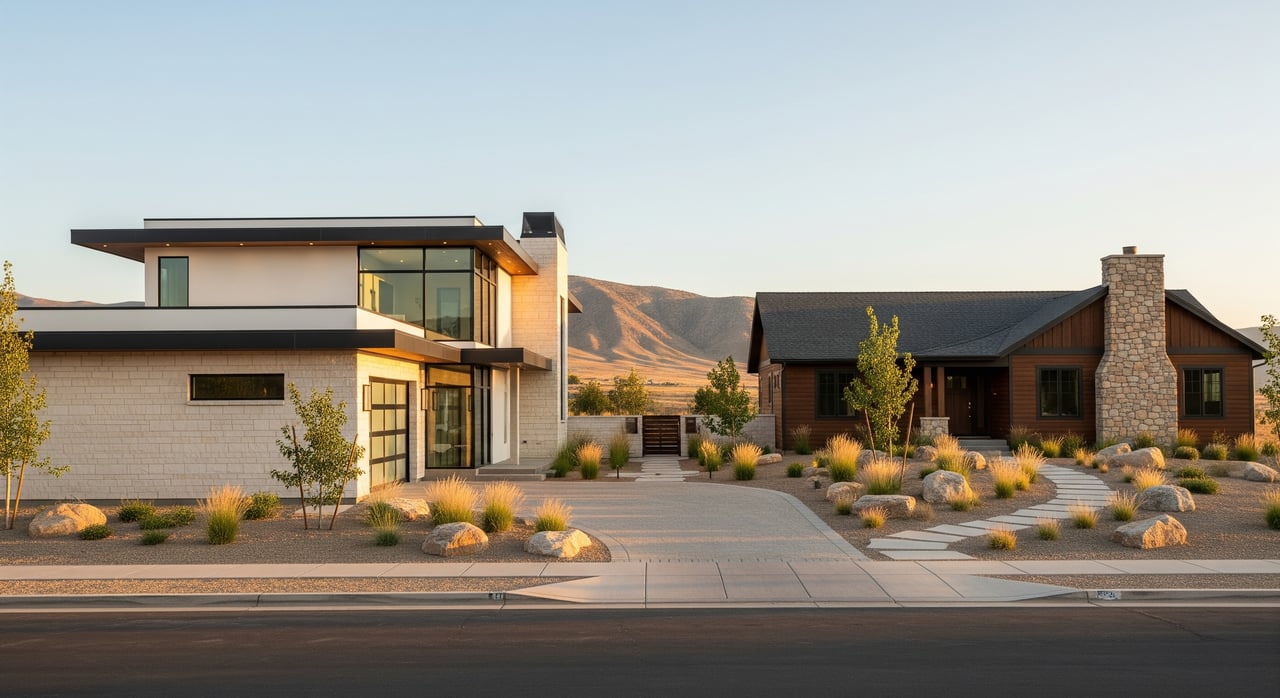
Trying to decide between a brand-new build or a well-loved resale in Dayton? You are not alone. Your choice shapes your budget, timeline, commute, and day-to-day maintenance. In this guide, you will learn how new construction and resale homes compare on move-in timing, upgrade costs, inspections, warranties, negotiating power, financing, and long-term value in Dayton and the US‑50 corridor. Let’s dive in.
Dayton market basics to frame your choice
Dayton sits along the US‑50 corridor in Lyon County, and demand can be influenced by commutes to Carson City and the Tahoe–Reno job centers. Infrastructure and utilities vary by sub-area. In-town parcels may have public water and sewer, while outlying lots can involve septic or additional hookup steps. These details affect cost and timelines.
Many new subdivisions include HOAs with CC&Rs. HOA dues add to monthly carrying costs and can influence resale desirability. Resale homes may or may not be in an HOA. Because market numbers like price and days on market change quickly, ask for a current local MLS snapshot and consult Lyon County and Nevada housing resources for the latest context.
New construction: what to expect
Timeline to move-in
New builds move through site prep, permitting, construction, inspections, and a final certificate of occupancy. That can take several months to a year or more, depending on builder backlog, permit timing, and weather. Builders usually give estimated completion windows, but schedules can shift. Plan for flexibility, temporary housing, or a rentback strategy if your move dates need a buffer.
Price and upgrade costs
The base price covers a standard package. Lot premiums, structural options, and design-center finishes are added costs. Upgrades can range from small fixtures to major items like cabinetry or added square footage. Ask for an itemized upgrade list so you see true move-in numbers. Builder incentives, such as closing cost credits, appliance packages, or interest rate buydowns, can help, but weigh the tradeoffs and total loan cost.
Negotiating leverage with builders
Your leverage depends on the builder’s inventory and overall market conditions. In softer markets, builders may negotiate on closing costs, design-center credits, rate buydowns, or select upgrades. Builders often use their own contracts and may limit contingencies. Target clear, written concessions with real dollar value rather than low-impact add-ons.
Inspections and quality control
Independent inspections are still important for new homes. Many buyers schedule a pre-drywall inspection and a final inspection to catch issues before closing. Expect a punch list and follow up to ensure items are corrected. Some cosmetic or settling items can appear after move-in, so document everything carefully.
Warranties and post-closing support
Most builders provide limited warranties, often one year on workmanship, two years on systems, and longer structural coverage, sometimes up to 10 years. Coverage, exclusions, and claims processes vary. Confirm if the warranty is insured or backed by a third party and learn how to submit claims, expected response times, and dispute steps. Register your warranty if required.
Financing options for new builds
You can finance a completed new home with a standard mortgage, or in some cases use construction-to-permanent financing. Builder-preferred lenders may offer incentives like rate buydowns or credits. Compare the total cost, including fees and long-term interest, against outside lenders. Appraisals in early phases of a subdivision can be tricky if comparable sales are limited, especially when lot premiums are involved.
Resale homes: what to expect
Timeline and occupancy
Resale homes typically close faster. A standard contract to close is about 30 to 45 days, although you can negotiate for shorter or longer periods. You usually get occupancy at closing unless you agree to a seller rentback. This can be ideal if you have a specific move date or want to minimize interim housing costs.
Price, condition, and negotiation
Resale pricing reflects location, condition, and comparable sales. You can negotiate the price, ask for closing cost credits, and request pre-closing repairs or concessions. If you plan renovations, use inspection quotes to estimate costs and negotiate accordingly. Appliances and other items can often be included by agreement.
Inspections and risk management
A full home inspection is standard and a major negotiation point. Older roofs, HVAC systems, or plumbing may need repair or replacement soon. Your inspection results help you evaluate risk and budget for immediate and future costs.
Financing and appraisal
Conventional financing is straightforward on resale properties, and appraisals typically rely on established neighborhood comps. Standard contingencies for inspection, financing, and appraisal provide important protection and flexibility.
First-time vs move-up along US‑50
If you are a first-time buyer
Your priorities may be affordability, a predictable monthly payment, and low maintenance. New construction offers modern systems and warranties, which can reduce early repair surprises if your timeline is flexible. Resale homes may deliver a faster move-in and more room to negotiate on price or credits. Evaluate your total move-in costs, including HOA dues, utilities, and any immediate repairs or landscaping.
If you are a move-up buyer
You may be seeking more space, a preferred layout, or an improved commute. New builds can offer specific floor plans and energy-efficient features if you can coordinate timing with your sale, rentback, or bridge options. Resale homes can be better if you need to sell first and want stronger contingency protections. Compare the cost to renovate your current home with the premium for new construction.
Cost comparison: new vs resale
Consider every line item so you avoid surprises.
- New construction costs: base price, lot premium, design-center upgrades, landscaping, window coverings, potential fencing, and setup for utilities. Include HOA dues and any builder fees.
- Resale costs: purchase price, repair or renovation items from the inspection, potential system updates, and any appliance or cosmetic upgrades. Include HOA dues if applicable.
A clear side-by-side budget helps you pick the best total value.
Protect your budget with representation
An experienced buyer’s agent can add structure and protection at each step. Builders often use their own contracts with builder-friendly terms. A local agent can flag warranty limits, clarify change-order processes, and push for reasonable timelines on punch-list work. They can also advise on deposit structure and earnest money safeguards.
Your agent can benchmark typical concessions in the Dayton market and ask for real credits like closing costs or design-center allowances with defined limits on markups. They can coordinate inspections at the right build stages, recommend reputable local inspectors, and help track warranty items after closing.
On financing, your agent can compare builder-preferred lender offers with outside lenders to show net cost differences over time. If an appraisal is challenging in a new subdivision, they can assemble comparable sales support. After closing, they can help document and escalate warranty concerns through appropriate channels if needed.
Note that buyer representation for new construction does not typically add cost to you, though commission structures can vary. Ask how representation works before you visit a sales office.
Quick decision checklist
Use this list to make an informed choice.
- Confirm your ideal move-in date and how much flexibility you have.
- For new builds, request a written base price, lot premium, and full upgrade price list.
- Review the builder’s warranty document, including coverage, exclusions, and claims process; verify third-party backing.
- Obtain HOA documents, dues, and CC&Rs for any community you are considering.
- Ask for recent comparable sales for the subdivision and a current local inventory snapshot.
- Schedule independent inspections for pre-drywall and final on new builds; identify inspectors early.
- Compare builder lender incentives with quotes from independent lenders. Look at total cost, not just the rate.
- Verify utility availability and hookup costs, including septic vs sewer and any water considerations.
- Decide which contingencies you need, such as inspection, appraisal, financing, or sale-of-home.
- Ask about change-order rules, timelines, and any builder markups.
Smart questions to ask
- How long until I can move in, and what happens if there are delays? Ask for a written completion window and whether there are any penalties or remedies.
- What is included in the base price, and what counts as an upgrade? Request a line-by-line inclusions list.
- How does the warranty work after closing? Get coverage terms, claim steps, required registration, and expected response times.
- Can I use my own lender and keep incentives? Clarify any conditions tied to builder-preferred lenders and compare scenarios.
- What if I find issues after closing? Understand warranty timelines, documentation requirements, and dispute processes.
- Are there recurring or hidden costs? Confirm HOA dues, utility fees, landscape obligations, and any community assessments.
- How do upgrades affect the appraisal and future resale? Ask how appraisers view certain upgrades and be selective with high-cost options.
Next steps
Choosing between new and resale in Dayton is about matching your timeline, budget, and priorities with the realities of the local market. If you want data-informed guidance, a clear cost comparison, and negotiation tailored to your goals, connect with a local advocate who knows the builders, HOAs, and inspection cadence along the US‑50 corridor. When you are ready to explore options, reach out to Michael Givens for a current MLS snapshot, upgrade strategy, and a step-by-step plan that protects your budget.
FAQs
How long does new construction take in Dayton?
- Timelines commonly run several months to a year or more, depending on permitting, builder backlog, weather, and inspections; get a written estimate and plan for flexibility.
What costs are added to a new home’s base price?
- Expect lot premiums, structural options, design-center upgrades, plus items like landscaping and window coverings; ask for an itemized list to map your true move-in budget.
Can I negotiate with a builder in Lyon County?
- Yes, depending on inventory and market conditions; common targets include closing cost credits, rate buydowns, and specific upgrade allowances documented in writing.
How do warranties differ between new and resale homes?
- New builds typically include limited builder warranties for workmanship, systems, and structure; resale homes do not, though you can purchase a separate home warranty policy.
Are independent inspections needed on new construction?
- Yes; schedule at least a pre-drywall and final inspection to identify issues before closing and to create a punch list for the builder.
How should I compare builder lender incentives vs outside lenders?
- Request written loan estimates from both and compare total cost over time, not just the rate; consider fees, buydown terms, and appraisal dynamics in new subdivisions.