Thinking about relocating to Carson City but not sure how the housing and commute puzzle fits together? You are not alone. Many buyers weigh Carson City against Reno, Carson Valley, and Lake Tahoe to balance budget, work access, and lifestyle. In this guide, you will learn what types of homes you will find, how long common commutes really take, what daily life looks like, and how to plan an efficient scouting trip. Let’s dive in.
Why Carson City works
Carson City sits between Reno to the north and the Lake Tahoe Basin to the west, which makes it a strategic home base for work and play. If you want more affordable options than the Tahoe Basin while keeping quick access to the mountains, Carson City delivers. The city also benefits from Nevada’s tax structure. Nevada has no state income tax, which is a meaningful budget factor for many movers. Property taxes and local sales taxes still apply, so you will want to check local levies for a full picture.
Carson City functions as a small metro hub and bedroom community. Many residents work in state government, healthcare, education, or small business locally, while others commute to Reno, the airport area, or to Carson Valley. Hybrid and remote work are common, which can reduce daily commute frequency and open up more neighborhood options.
Housing overview: what you will find
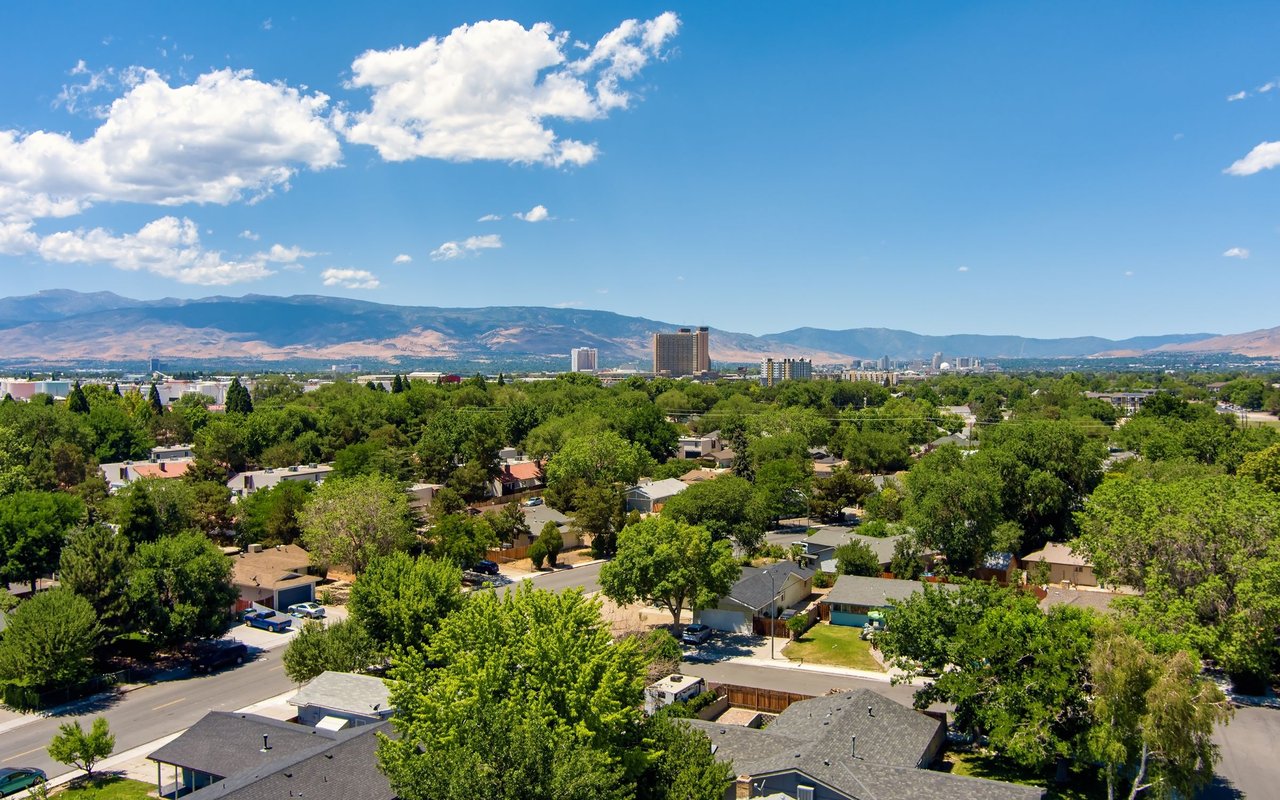
Carson City’s housing stock is diverse. You will see older homes near the walkable historic core, midcentury ranches in established neighborhoods, and newer subdivisions toward the edges of town. Inventory leans toward single‑family homes, with fewer condominium and duplex options compared with larger metros.
Common home styles by area
- Historic downtown: Victorian and Craftsman bungalows on smaller lots, close to government offices, dining, and services.
- Established neighborhoods near central Carson: Mostly single‑story ranches and midcentury homes on moderate lots.
- Newer subdivisions at the edges: Two‑story family homes, larger lots, and planned communities with possible HOA amenities.
- Rural or exurban outskirts: Larger parcels, ranch properties, and custom homes with longer drives to shopping and services.
Practical price bands to expect
Use these as general categories to frame your search. For live prices and days on market, review current MLS data for the neighborhoods you are targeting.
- Entry level: Condos and smaller single‑family homes. You may be looking at older properties, compact footprints, or limited condo availability.
- Mid market: The sweet spot for many relocating families. Typically 3+ bedrooms and a yard in established or newer neighborhoods.
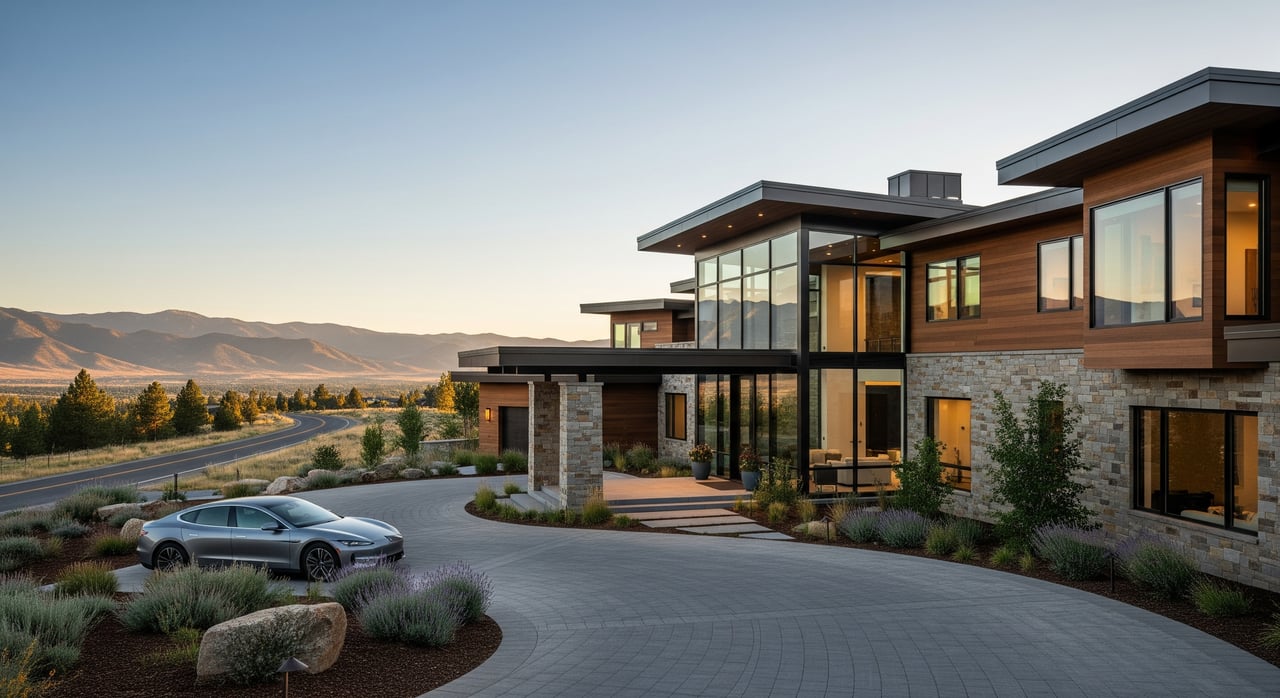
- Upper market: Newer construction, larger lots, views, or custom properties. Some planned communities fall here as well.
What drives value and marketability
- Proximity to downtown, state offices, and schools
- Views of the Carson Range or valley
- Lot size and parcel type, from subdivision lots to acreage
- Age, condition, and updates like seismic or utility upgrades in older homes
- Seasonal demand from buyers seeking Tahoe access
Commute guide: routes and realistic times
Carson City’s commute pattern is straightforward, but peak periods and weather can change the equation. Here are the core corridors and typical behavior.
North to Reno on I‑580/US‑395
I‑580/US‑395 north is the main commuter route to Reno and the airport area. In normal conditions, many drives land in the 30 to 45 minute range to central or south Reno. Peak weekday congestion and specific interchanges can add time, so test your trip during the hours you expect to drive.
South to Carson Valley on US‑395
US‑395 south connects you to Minden and Gardnerville. Drives typically range from about 15 to 30 minutes depending on your starting point in Carson City and destination in the valley.
East–west travel on US‑50
US‑50 provides access toward South Lake Tahoe and toward Dayton and Fallon. Winter weather can affect travel to Tahoe. Major routes are plowed and maintained, but snow and ice can still slow traffic during storms. Build a buffer if you plan regular winter trips.
Local surface streets
Within town, Carson Street and other main north–south corridors can back up near downtown, state facilities, and school start or end times. If you prefer quieter local traffic, factor school and government proximity into your neighborhood short list.
Transit and alternatives
Public transit is more limited than in larger metros. Regional services offer intercity connections to Reno, but schedules and frequency can vary. Many residents rely on personal vehicles. Ride‑share coverage can be inconsistent in outlying neighborhoods, so verify availability for your specific address.
Commute checks to run before you buy
- Use a real‑time route planner to pull drive times to your work address at weekday peak hours, both morning and evening.
- Drive the route yourself at the exact times you plan to commute. Off‑hour impressions can be misleading.
- Ask a local agent about known bottlenecks, school traffic patterns, and seasonal slowdowns. Plan for occasional winter delays on mountain routes.
Everyday life: services, schools, and shopping
Carson City supports most day‑to‑day needs locally, with deeper options in Reno.
- Healthcare: Carson Tahoe Health and Carson Tahoe Hospital anchor regional care. You will find primary care, urgent care, and some specialty services in town, with broader specialty care in Reno.
- Grocery and retail: Mainstream grocery stores, hardware, and local retailers are available in Carson City. Big‑box shopping and larger mall or warehouse options are more extensive in Reno.
- Schools: The Carson City School District serves public K–12. There are charter and private options as well. Always verify attendance boundaries and program availability for your address.
- Higher education: Western Nevada College has a campus presence that supports continuing education and community programs.
Outdoor access and year‑round recreation
Carson City is one of the closest urban hubs to Lake Tahoe, generally about a 30 to 60 minute drive depending on where you start and where you are headed. That proximity is a major draw for skiing, boarding, boating, and alpine hiking. Closer to home, you will find extensive trails in the Carson Range and along the Carson River for hiking, running, and mountain biking. Public lands in the surrounding region expand the options for all‑season outdoor fun.
If your top priority is fast trail access, neighborhoods near the foothills and city edges can fit the bill, with a tradeoff of longer drives to central services. If you prefer short trips to work and shopping, central neighborhoods may be a better match with slightly less immediate trail access. Decide which tradeoffs matter most before you shop.
How to shortlist neighborhoods with confidence
Start with your top priorities. Then use a two‑stage approach to narrow the field.
Define your must‑haves
- Daily or hybrid commute time targets
- Budget and desired housing type, from condo to single‑family
- Lot size and yard needs
- Proximity to parks, trails, or downtown amenities
- School considerations, with boundaries verified for each address
Build a short list of 4 to 6 areas
Include a mix that shows different tradeoffs. For example, downtown or central areas for walkability, northwest or central established neighborhoods for single‑story ranches, southern edge subdivisions for newer homes, and rural outskirts for acreage.
Use a two‑stage process
- Remote filtering: Start with MLS searches filtered by price, beds, and square footage. Layer in school boundary maps, drive‑time polygons to work, and publicly available safety and hazard maps.
- On‑the‑ground reconnaissance: Drive candidate neighborhoods at commute hours and on weekends. Visit grocery stores, coffee shops, parks, and main corridors to validate how the area fits your daily rhythm.
One‑day scouting itinerary
Use this simple plan to get accurate impressions fast.
- Morning (7:00–9:30): Test your commute to your workplace or to Reno. Note parking and timing near potential neighborhoods.
- Late morning (10:00–12:00): Tour 2 to 3 neighborhoods. Walk the main commercial areas and check grocery and school exteriors.
- Lunch (12:00–1:30): Spend time downtown to get a feel for local culture and convenience.
- Afternoon (2:00–4:30): Tour 2 to 4 active listings with a local agent that match your budget, lot preferences, and commute goals.
- Evening (5:00–7:00): Drive the evening commute. Revisit top neighborhoods for noise, lighting, and traffic. Check cell coverage and internet options.
Scouting checklist
- Traffic, road noise, and other noise sources
- Home orientation, sun exposure, and drainage
- Condition of nearby properties and any ongoing construction
- Internet providers and cell coverage at the address
- School proximity and traffic at pick‑up and drop‑off times
- HOA presence, fees, and rules
- Fire, flood, and other hazard considerations for insurance
- Winter maintenance on your likely routes
Putting it together with a local guide
Relocating is easier when you have a local advisor who knows the neighborhoods, commute corridors, and hidden tradeoffs. If you want data‑driven pricing advice and a hands‑on search process, you can lean on a trusted partner who understands both the numbers and the lifestyle. From remote showings to neighborhood drive‑time mapping and offer strategy, you deserve a smooth, well‑managed move.
When you are ready to take the next step, reach out to Michael Givens for a tailored Carson City relocation plan and on‑the‑ground support. Find Your Dream Home.
FAQs
How long is the Carson City to Reno commute during rush hour?
- Many drives land in the 30 to 45 minute range in normal conditions, with added time during weekday peaks and at specific interchanges.
Are Carson City home prices usually lower than Lake Tahoe and parts of Reno?
- Generally yes compared with the Tahoe Basin and many Reno neighborhoods, but confirm with current MLS data for your target areas.
Is public transit a realistic daily commute option from Carson City?
- Transit exists but is limited; most commuters use personal vehicles. Verify regional schedules if you prefer not to drive.
What home types are most common in Carson City?
- Single‑family homes dominate, including historic downtown properties, midcentury ranches, newer subdivisions, and some rural acreage.
How does winter weather affect drives to Tahoe?
- Major routes are maintained, but snow and ice can slow travel during storms. Plan buffers and check current road advisories before heading out.
How should I pick a neighborhood if schools are a priority?
- Verify attendance boundaries for each address, review program options, and time your routes during school start and end periods to understand traffic and access.